


Origin
Celebrated every May 5th in Japan since the 6th century, this festival was formerly known as “Tango no Sekku,” the Iris Festival. It was officially renamed “Kodomo no Hi” following a government decision. Originally, this festival was dedicated to boys to encourage them to be strong and brave.
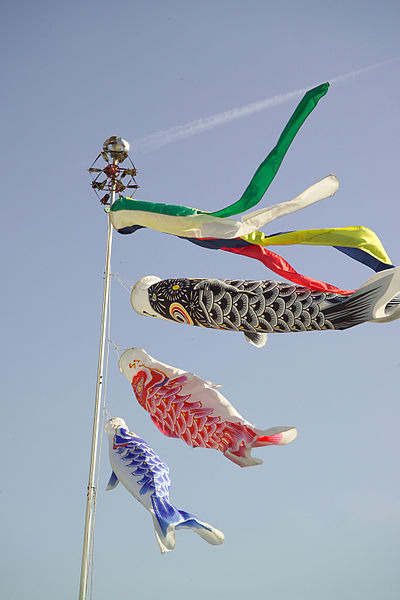
During this celebration, families hang carp-shaped banners called “Koinobori.” These carp refer to the Chinese legend of the carp. According to the legend, while all the other fish gave up, one carp managed to swim upstream against the current of the Yellow River. After many efforts, thanks to its patience, strength, and courage, it succeeded in reaching the top of the waterfall known as the “Dragon Gate,” where it transformed into a powerful dragon.
In addition, this festival once had military values. As a result, boys were given pieces of armor by their families on that day.
Decoration
Because of the military values of this festival, samurai helmets and armor called yoroikabuto are exhibited in some families. It is also common to display Kintaro dolls, a legendary samurai who was known since birth for his Herculean strength and Momotaro, the fishing boy sent by the Lord to defeat the demons and their leader.
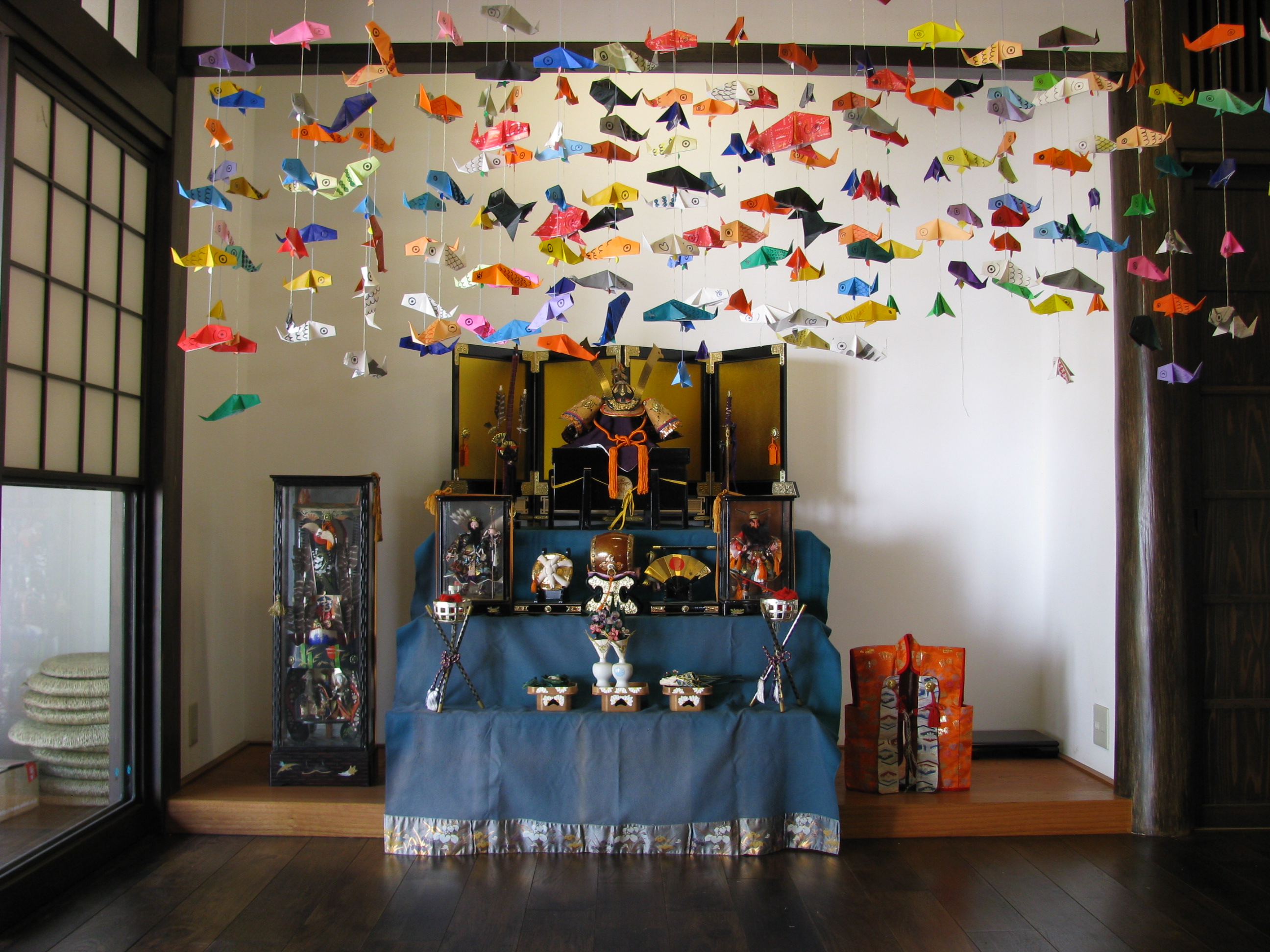
As for the carp, it is the symbol of this festival. Koinobori are displayed in many public places and outside homes. Traditionally, three different carp are hung: a black one, usually the largest, representing the father called Magoi. A red one, representing the mother called Higoi. And a third one, often blue, representing the children, typically the son. Additional koinobori can be added to represent each sibling in the family.
Food
As with many traditional Japanese festivals, there are specific foods associated with “Kodomo no Hi.”
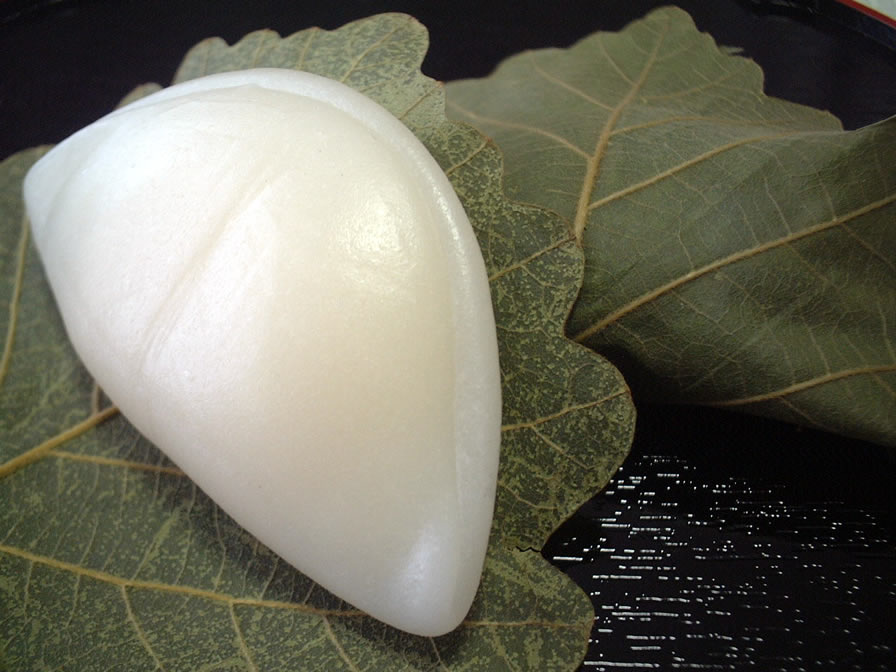
First, kashiwamochi, a sweet made of mochi filled with sweet red bean paste (azuki). The mochi is wrapped in an oak leaf called kashiwa. This symbolizes that parents should not die before their children are born, just as the oak leaf does not fall until a new bud appears.
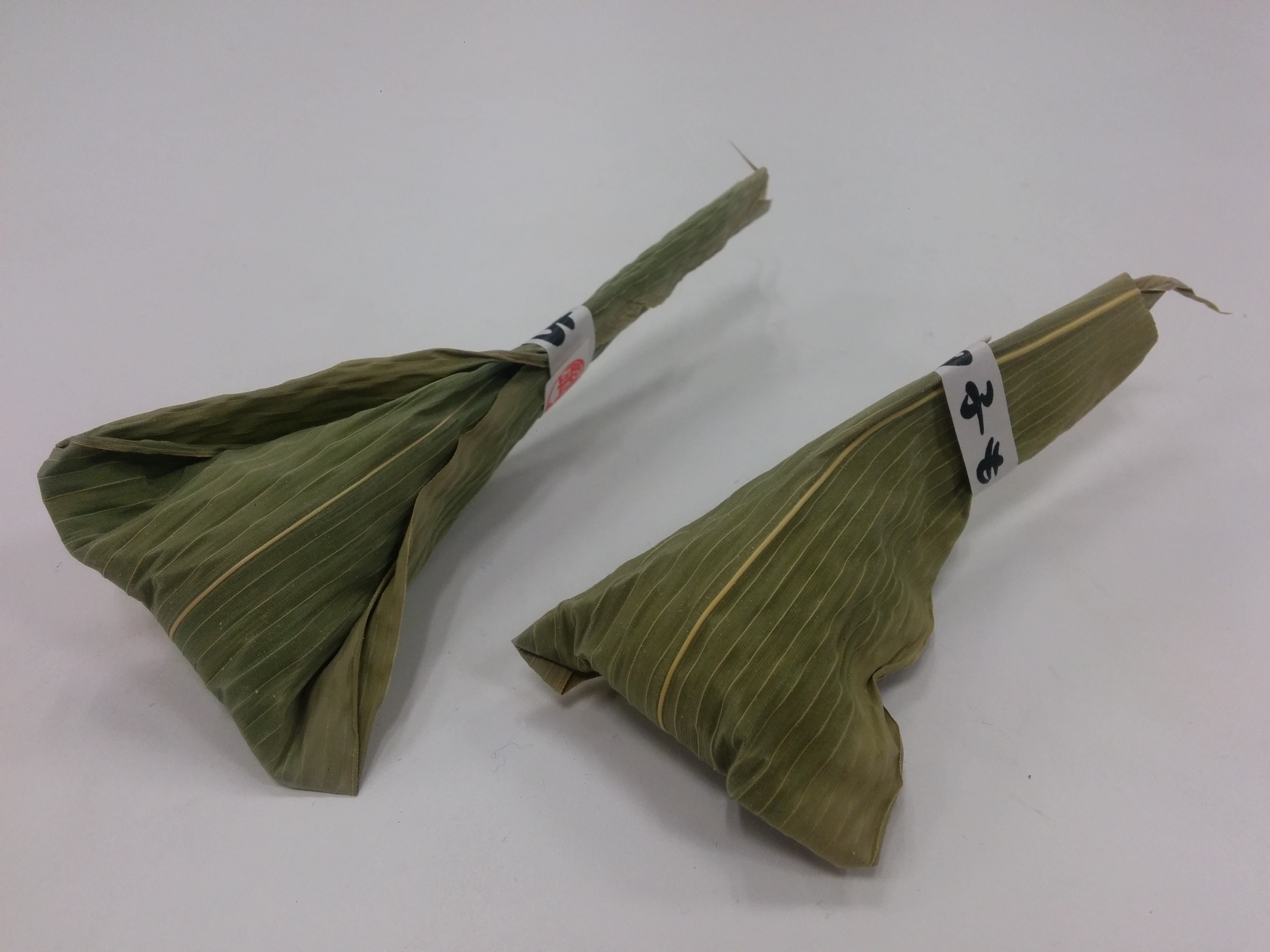
The second, called Chimaki, is a rice dumpling wrapped in bamboo leaves. Although it is often filled with azuki, its filling varies depending on the region.
Nowadays
Today, parents wish happiness, joy, and good health to their children. Even though the festival is no longer exclusively for boys, it still retains a strong masculine connotation in Japanese society.
